Authentic ``Old School`` Safari
Explore the remote northern part of the Kruger National Park.
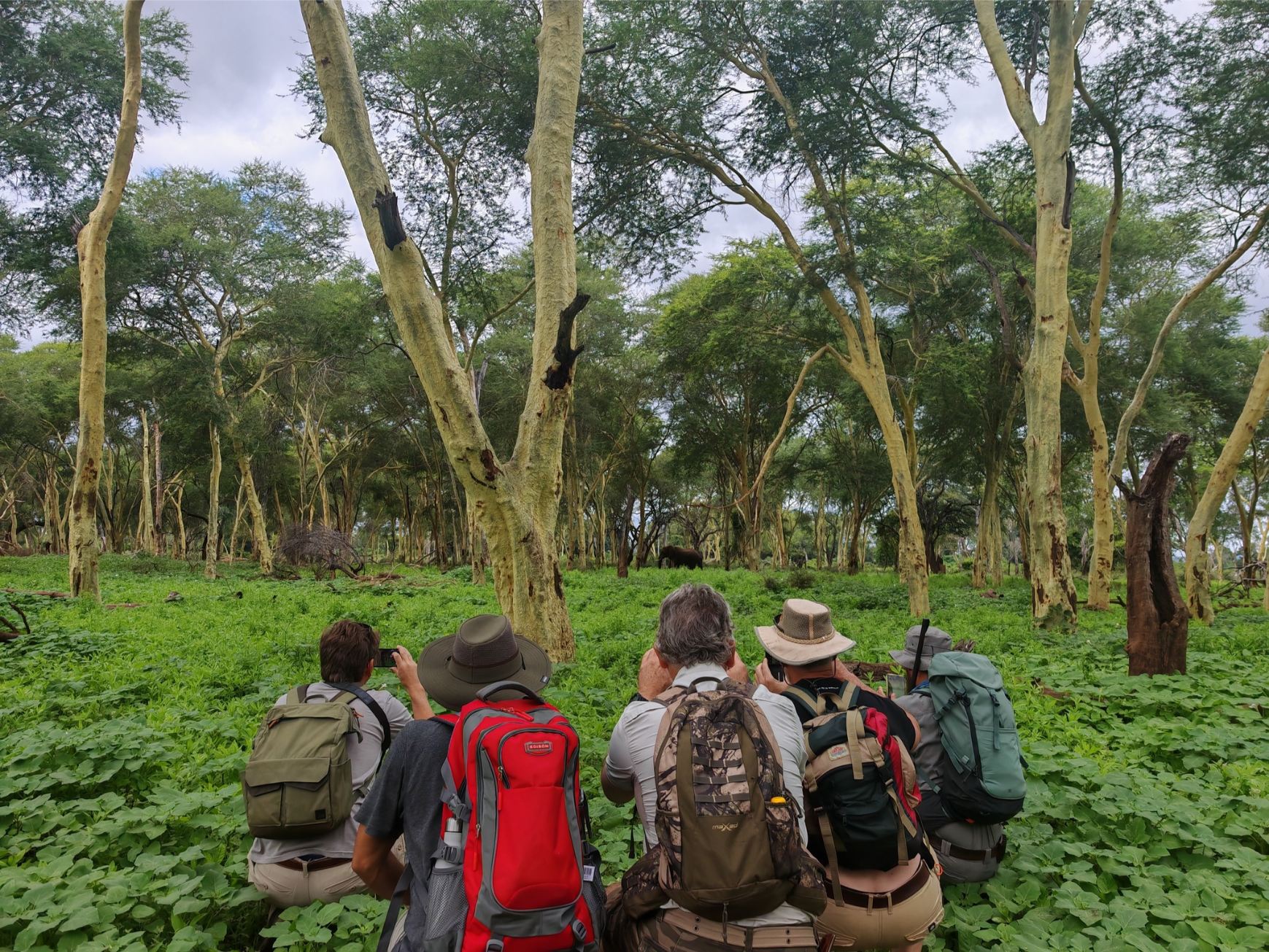
Adventurers hike through the magnificent Fever Tree Forest.
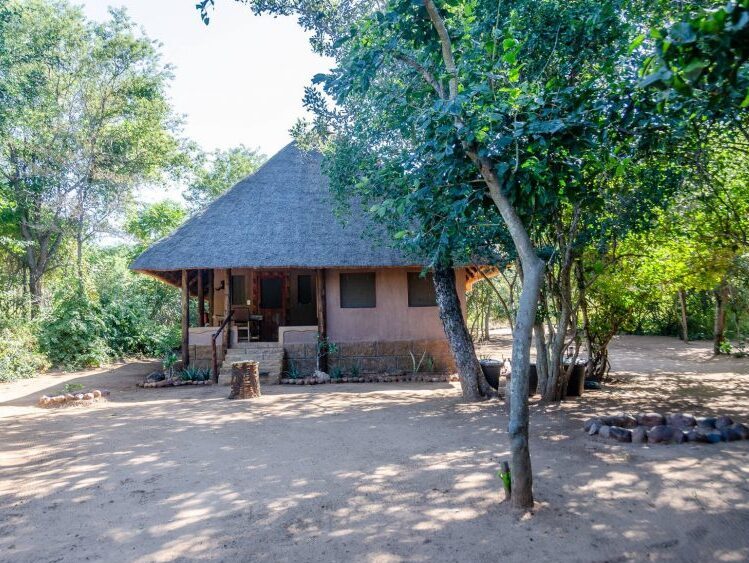
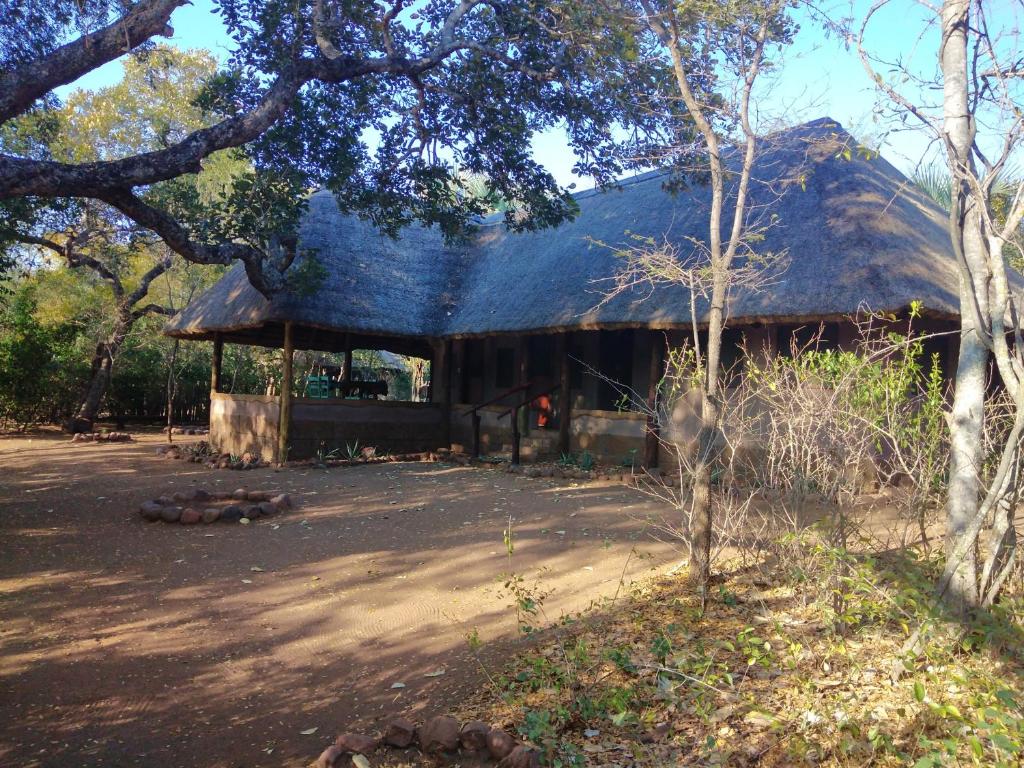
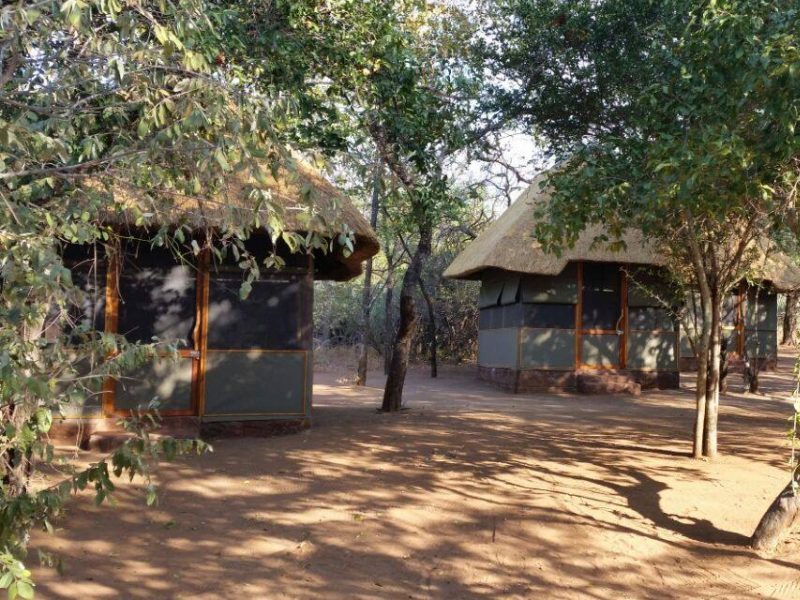
You'll be staying at Nthakeni Bush and River Camp
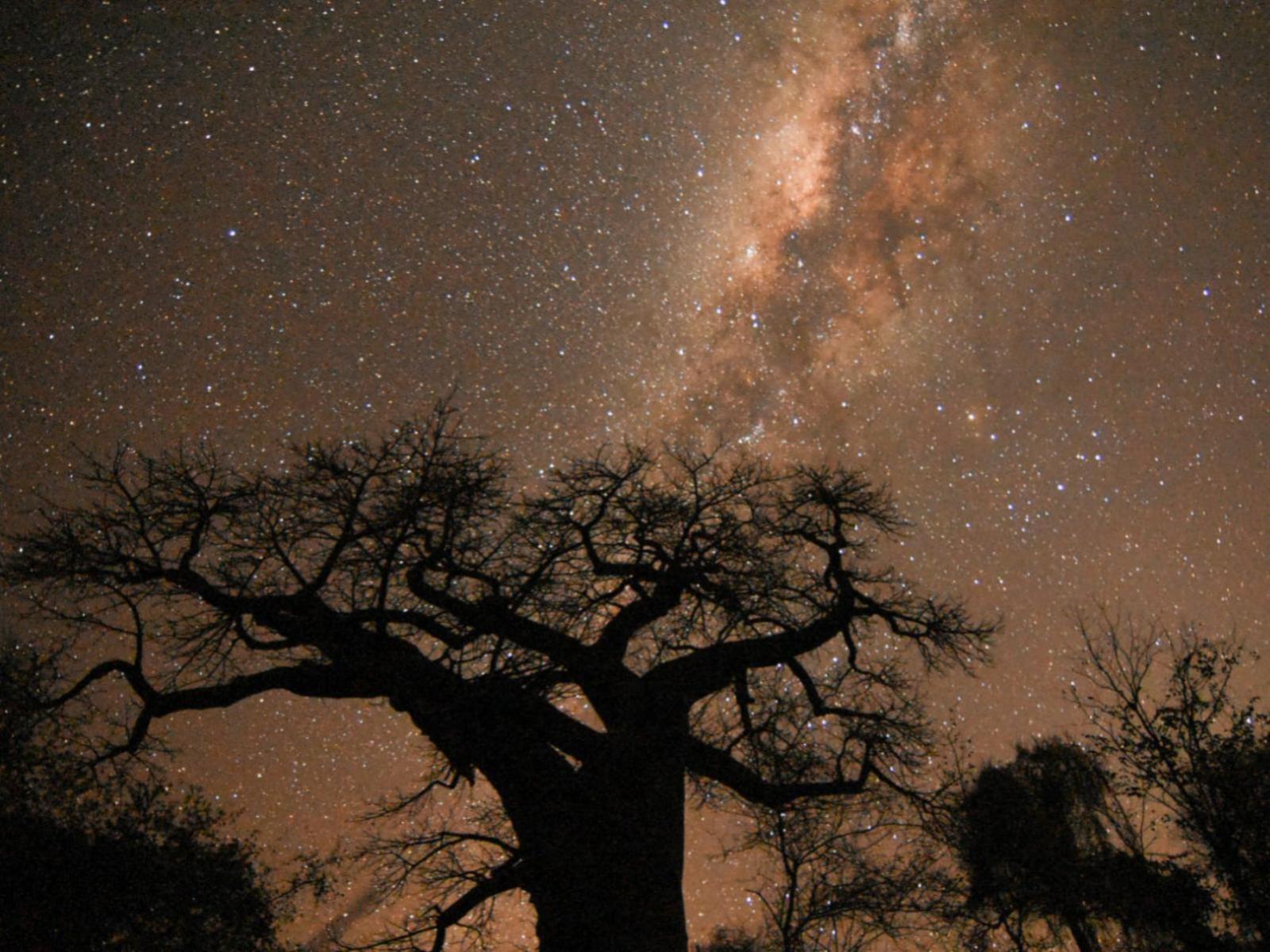
Nthakeni and the Northern Kruger fits each other like a hand in a glove. With its authentic old school Safari charm, evenings light up only by the warm soft light of lanterns drawing your eyes upward to the spectacular night sky. Nthakeni is a must for the weary soul. It is a Traveler's Choice Award winner for 2023 and 2024 for a reason. I invite you to come and walk amongst the giants. To discover why this region is called the Mecca for birding in South Africa and recover to a deep sense of wholeness.
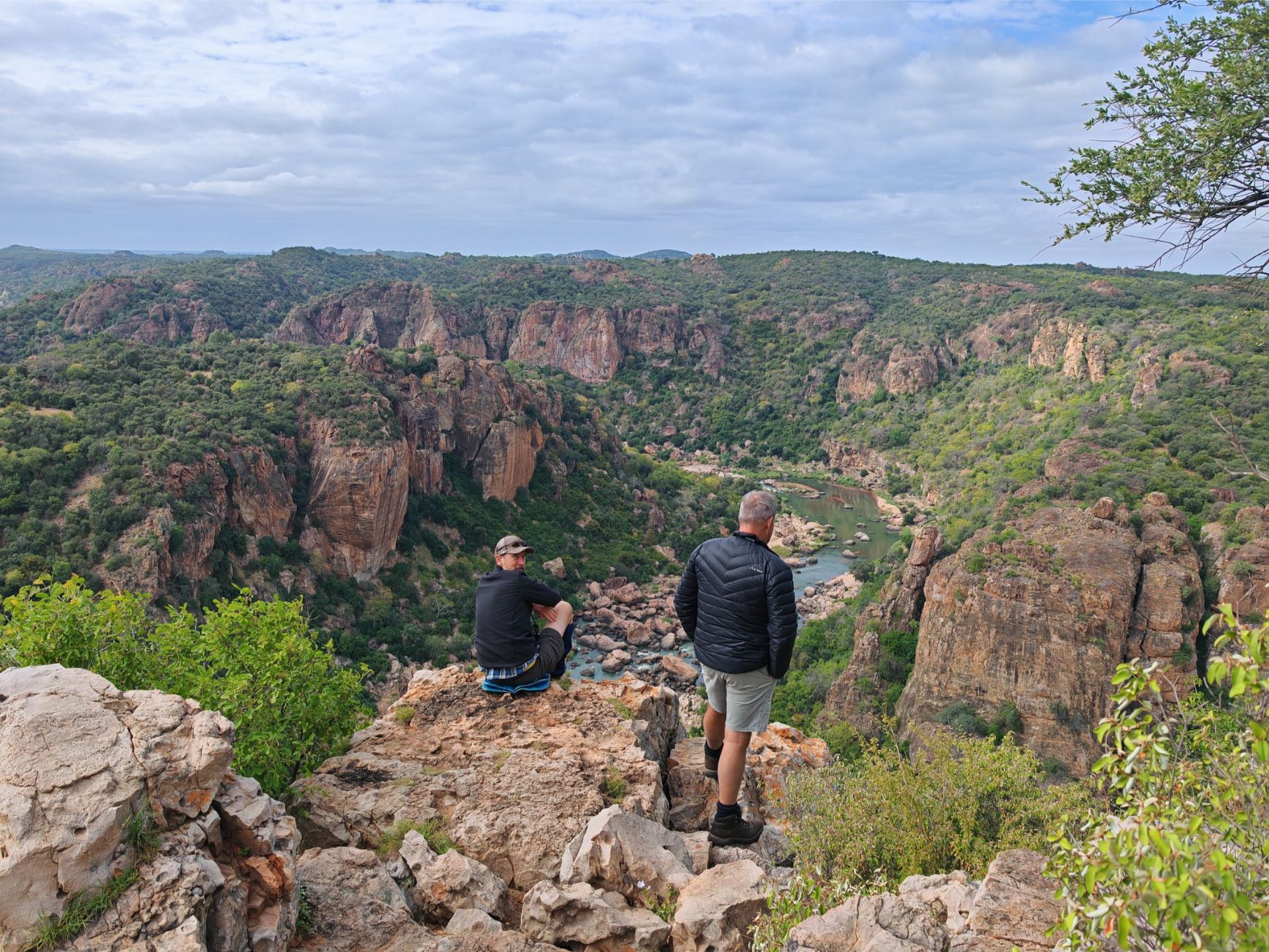
Why the Northern Section of the Kruger National Park and Nthakeni?
The Northern section of the Kruger national Park is an area of unique biodiversity. It's one of the few places where Fever Tree forests grow side by side with forests of giant Baobabs. The trees line the banks of the Limpopo and Luvuhu rivers: the slim, pale, luminescent green trunks of the Fever glimmering between the massive dark brown trunks of the Baobabs.
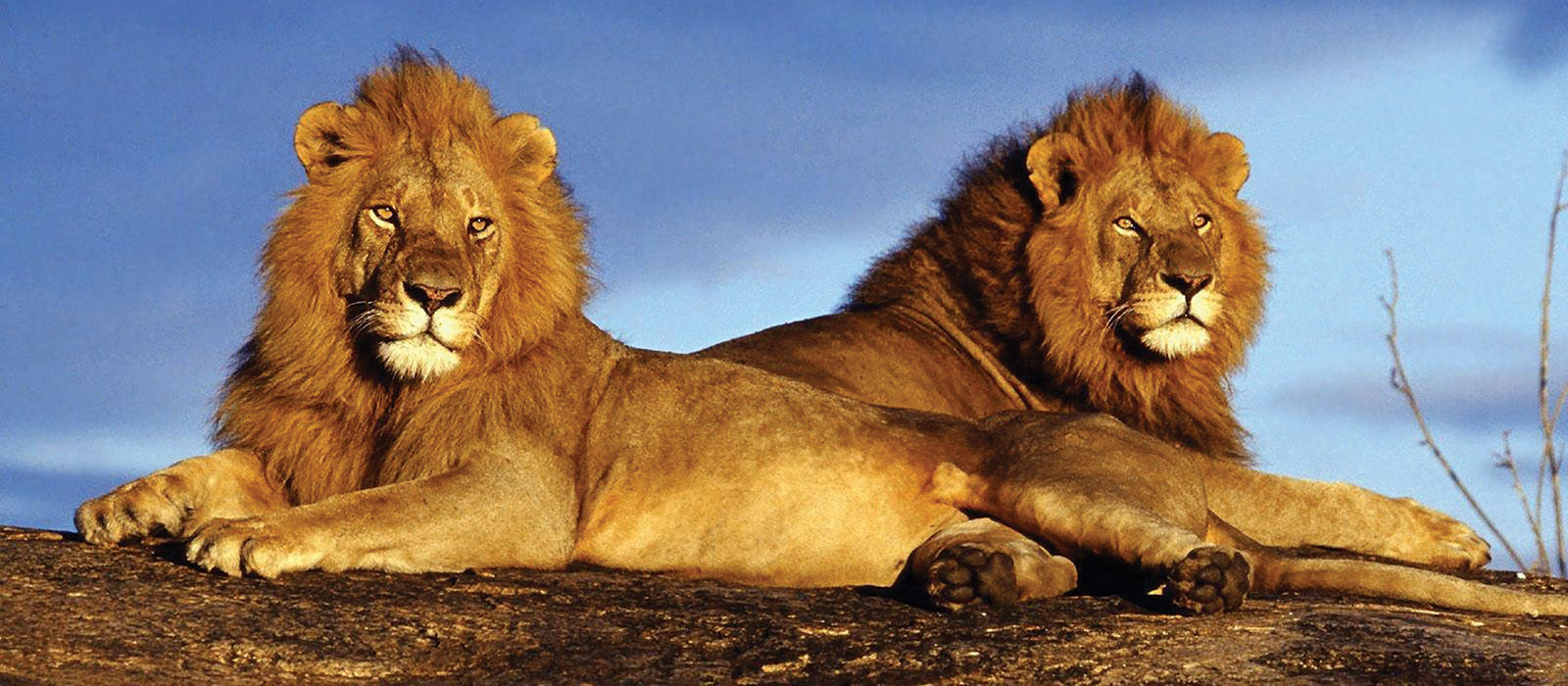
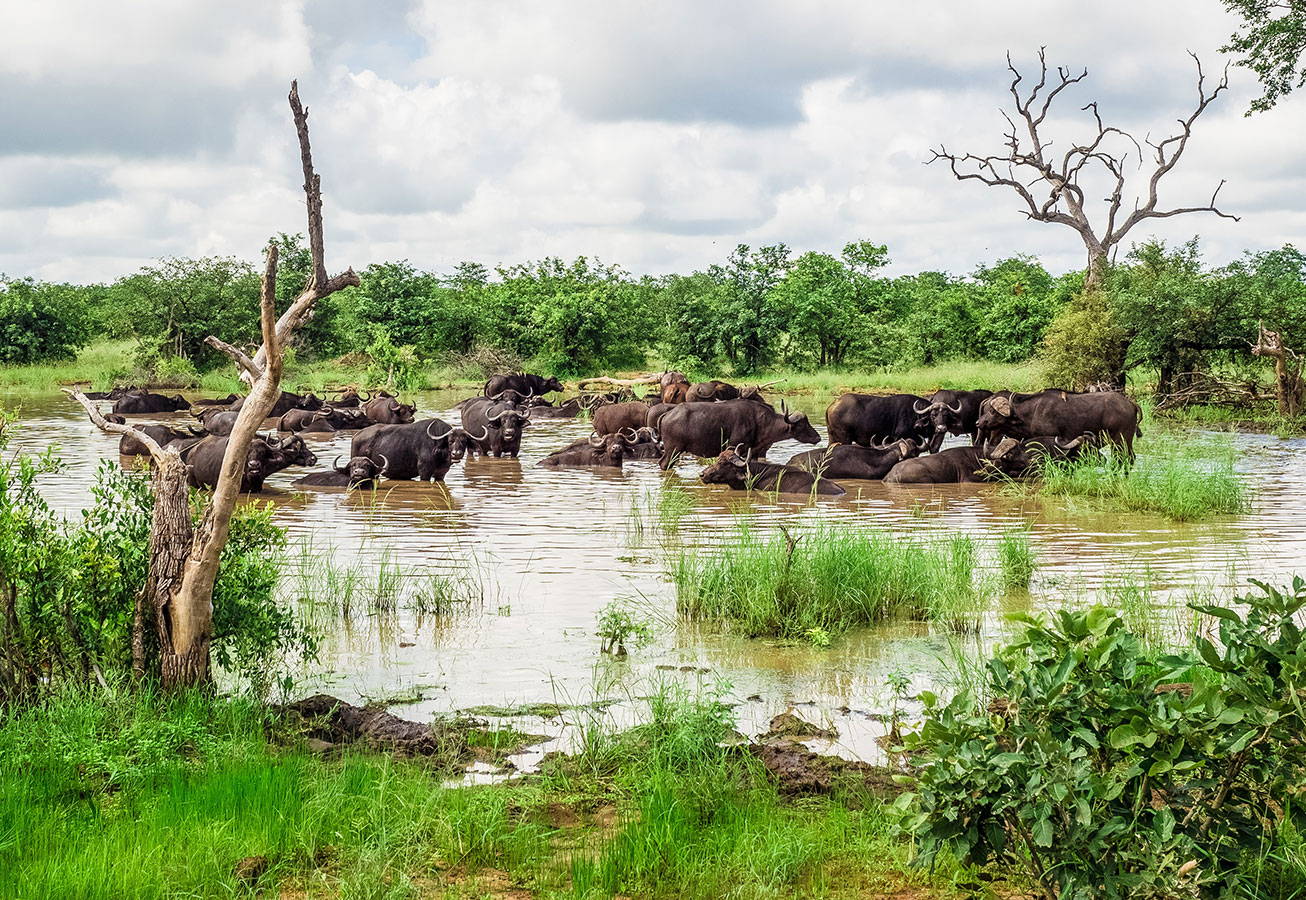
Although some of the Big 5 are present, this area is so much more than chasing down the Big 5. There is a tangible tranquillity here, found in very few places in our busy and crazy world.
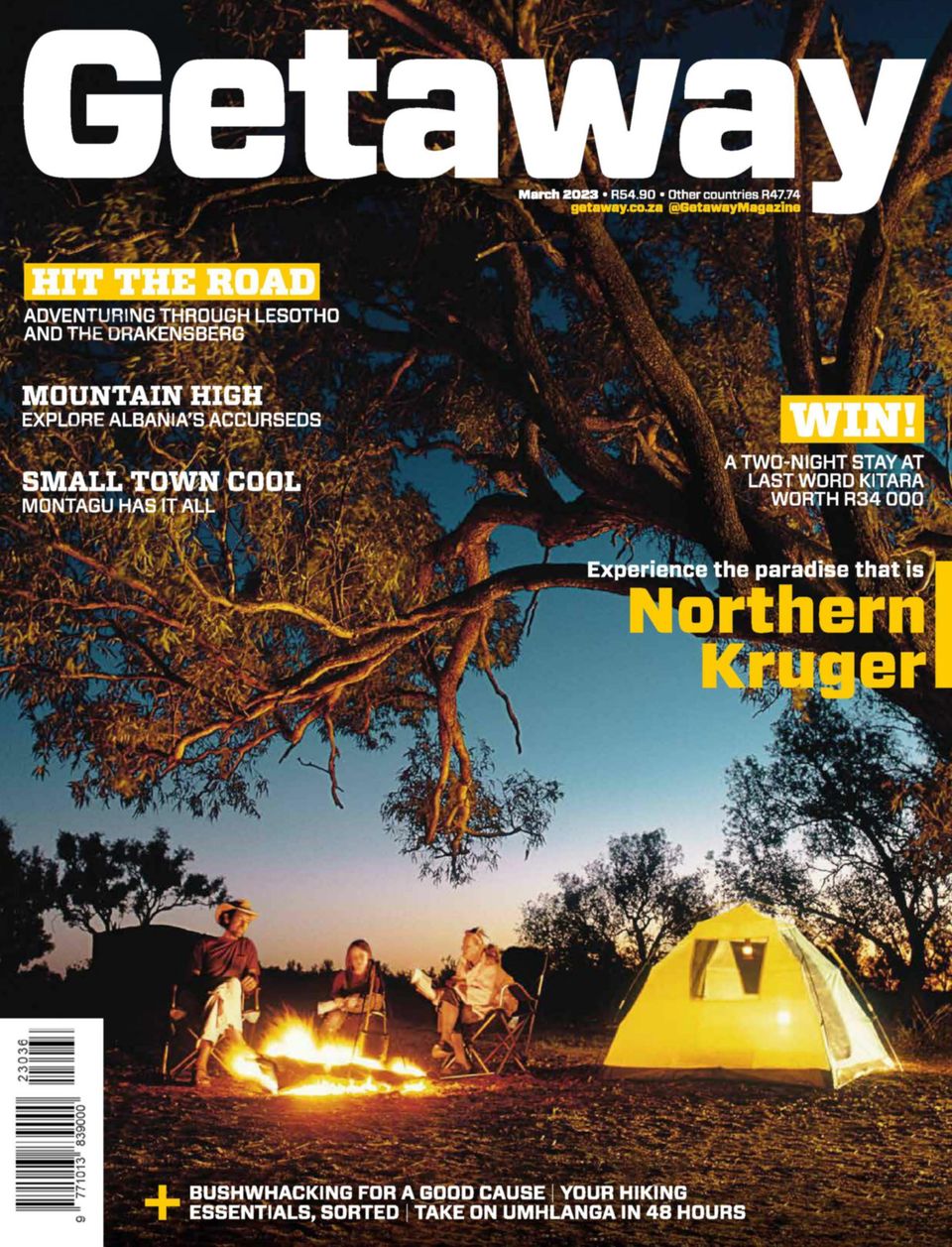
Extract from the article – Experience the paradise that is Northern Kruger (March 2023).
“Game drives here are very different from populous southern Kruger. First off, there’s no chasing and racing, then the inevitable slow down to wait your turn at a big cat sighting. Guests here are happy to stop to photograph a bird, a tree, a rock. They don’t bore easily, and they’re likely to be return guests. Tell anyone who knows Kruger well that you’re off to Pafuri, and their eyes light up. ‘Wow,’ they say. ‘Lucky you.’
It takes perseverance to drive beyond the ‘green drought’, as some call the endless mopani belt that carpets Kruger north of the Olifants River. Almost eight hours from Lower Sabi; more than six from Hoedspruit Airport. Commonly known as Pafuri, more correctly the Makuleke Contractual Park, entering the borderless 24 000ha lush and fertile triangle in the far north is like stepping into a parallel universe.
Watered by the Limpopo and Luvuvuhu rivers, it represents 1% of Greater Kruger, yet is home to 75% of its species: more trees than anywhere else in Kruger, more birds – almost 400 species – and where there asre so many trees and birds there will be a variety of ecozones. But Pafuri is not just about variety, From Baobab Hill to Crooks Corner, Lanner Gorge to the productive banks of the Luvuvhu, the landscapes are as spectacular as any you’ll see in Africa.”